When a toddler is supposed to be building friendships and mastering the art of sharing a swing, the playground can feel more like a maze than a merry‑go‑round. Parents, teachers, and caregivers often notice that some little ones seem to navigate this social terrain with the grace of a cat on a hot tin roof. Those moments can raise a flag: are we witnessing autism early signs in toddlers who have difficulty with social interactions in the playground? Understanding these subtle cues can help us act early, offering support that can make a world of difference.
Why Playground Observations Matter
The Playground as a Social Laboratory
Playgrounds are the ultimate social laboratories. Children experiment with rules, negotiate turns, and learn to read each other’s emotions—all while balancing a seesaw or chasing a ball. When a toddler consistently sidesteps these experiments, it’s worth paying attention. After all, the playground is where the “social playbook” is written, and missing a page can signal that something else is happening.
Common Playtime Patterns
- Seeking Solitude: Prefers playing alone even when peers are nearby. Repetitive Movements: Repeats a swing motion or a climbing pattern over and over. Limited Eye Contact: Looks away when someone tries to engage. Unusual Reactions: Gets upset by a gentle touch or a friendly wave.
These patterns Medical examination are not definitive proof of autism, but they can be early indicators that warrant a closer look.
Key Early Signs to Watch For
Limited Eye Contact
Eye contact is the invisible handshake of social interaction. If a toddler consistently avoids looking at a peer’s face, it can be a red flag. This isn’t about shyness alone; it can hint at a deeper discomfort with the social cues that adults take for granted.
Repetitive Play
When a child’s playtime feels like a loop—repeating the same action over and over—it may suggest a preference for predictable patterns. While some repetition is normal, a toddler who insists on stacking blocks in a single line or spinning a toy on the same spot for hours may be exhibiting early autism signs.
Avoiding Group Activities
Joining a group game often requires reading subtle signals—like a friend’s nod or a teammate’s grin. Toddlers who have difficulty with social interactions in the playground might skip these games entirely, preferring to watch from the sidelines. This avoidance can stem from anxiety or simply a different way of processing social information.
Unusual Response to Peer Interaction
A toddler might react strongly to a friendly gesture—like a high‑five or a gentle pat—by pulling away or becoming visibly distressed. Such over‑sensitivity can be a hallmark of autism early signs in toddlers who have difficulty with social interactions in the playground.
Anecdote: The Case of Little Maya
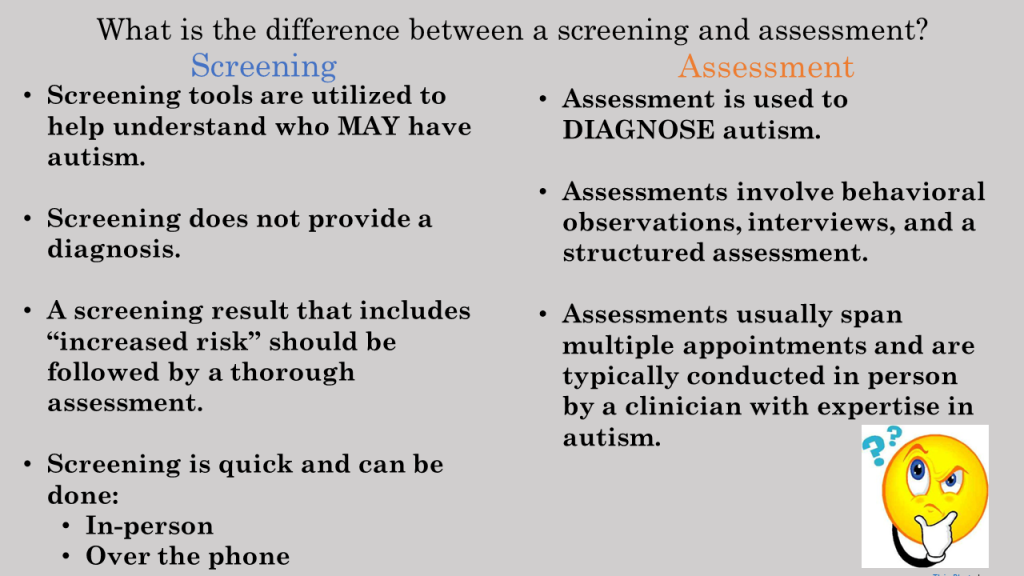
I once met Limited eye contact Maya, a four‑year‑old who loved dinosaurs more than dinosaurs. At recess, she would sit on the sandbox, meticulously arranging toy dinosaurs in a perfect row. When a peer approached to build a fort, Maya simply looked away and returned to her line of dinos. Her teacher, noticing this pattern, asked her parents to observe her at home. A quick developmental screening revealed that Maya had a subtle form of autism. With early support, she now enjoys playdates, albeit with a slightly more structured approach to games.
> “Early detection is like finding a missing puzzle piece before the picture is complete,” says Dr. Lillian Carter, a pediatric neurodevelopmental specialist.
When to Seek Professional Insight
Developmental Milestones to Track
- Language: Does your toddler use words to communicate needs? Social: Can they recognize familiar faces? Play: Do they engage in pretend play? Motor: Are they able to climb, run, and jump without difficulty?
Tracking these milestones helps differentiate between typical variations in development and signs that might indicate autism.
Questions for Your Pediatrician
- “What developmental screenings are recommended at this age?” “Could my child’s behavior be a sign of autism?” “What early intervention programs are available?” “How can I support my child’s social skills at home?”
These questions empower parents to collaborate with professionals, ensuring that any concerns are addressed promptly.
Practical Tips for Parents and Teachers
- Create Predictable Routines: Toddlers thrive on routine; a predictable playground schedule can reduce anxiety. Use Visual Supports: Picture cards or simple diagrams can help a child understand game rules. Encourage Gentle Interaction: Teach peers to ask before touching and to respect personal space. Model Social Cues: Demonstrate eye contact, sharing, and turn‑taking in everyday interactions. Celebrate Small Wins: Praise any attempt at social engagement, no matter how modest.
These strategies can bridge the gap between a child’s current comfort level and the social world they are eager to explore.
Moving Forward with Confidence
Recognizing autism early signs in toddlers who have difficulty with social interactions in the playground isn’t about labeling; it’s about understanding and supporting. When a child feels seen, they feel safe enough to try new things. By staying observant, asking the right questions, and fostering a supportive environment, we give these toddlers the chance to grow into confident, socially adept individuals.

If you’ve noticed any of these patterns or simply want to learn more, consider reaching out to a pediatric developmental specialist or a local autism support organization. Early intervention can turn a quiet corner of the playground into a vibrant stage of discovery.